How to Get Rid of Fruit Flies and Gnats: The No-Nonsense Guide
Let’s be real. There is nothing more frustratin than opening your fridge and watching a cloud of tiny insects swarm out, or noticing your potted plants are suddenly crawling with winged pests. I have spent years dealing with these household invaders, and I learned quickly that panic never works. You need a system. Before we dive into the tactics, it is crucial to understand what you are actually fighting. Most folks mix up fruit flies and fungus gnats, but their biology and preferred habitats are completely different. Getting that right saves you hours of wasted effort.
How to Get Rid of Gnats and Fruit Flies: Breaking the Cycle
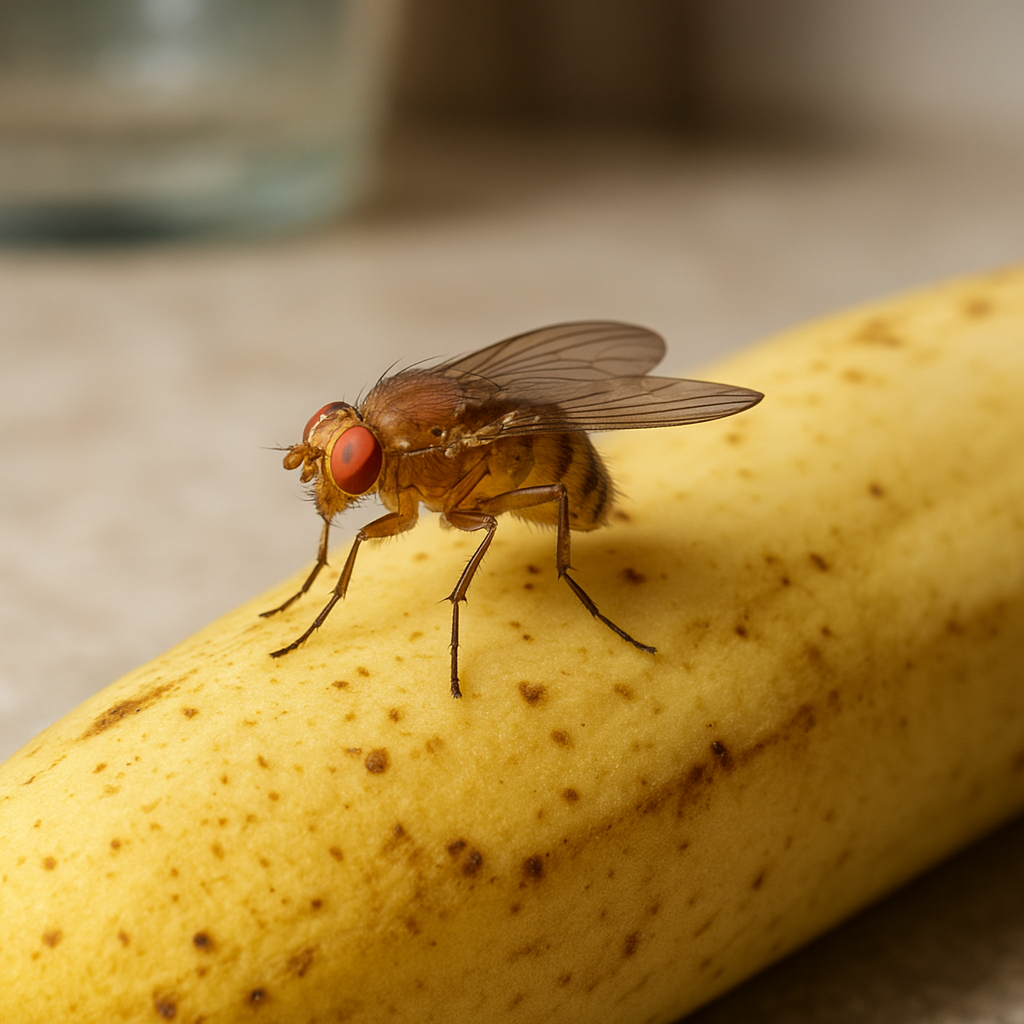
Fruit flies (Drosophila melanogaster) are drawn to fermenting sugars. They breed in overripe produce, spilled wine, and damp sponges. Gnats, specifically the fungus variety, thrive in moist potting soil where their larvae feed on decaying organic matter and root fungi. If you treat them like the same enemy, you will lose. Here is a quick breakdown to stop guessing:
| Feature | Fruit Flies | Fungus Gnats |
|---|---|---|
| Primary Attraction | Fermenting sugars, rotting fruit | Damp soil, fungal growth |
| Breeding Ground | Kitchen drains, trash bins, compost | Indoor plant pots, overwatered beds |
| Adult Size & Color | Light tan, red eyes | Dark gray, long legs, mosquito-like |
| Larval Diet | Yeast and decaying plant matter | Soil fungi and root hairs |
How to Get Rid of Fruit Flies or Gnats: Targeted Tactics
Once you identify the pest, you pick your weapon. Random spraying only kills adults while the larvae keep multiplying. You have to hit every stage of their life cycle. Start by removing the breeding source immediately. Toss out any rotting produce, empty the trash, and dry out your sink area. Then set up physical barriers and traps to catch the flying adults before they lay more eggs.
- Place apple cider vinegar bowls near infestation zones to lure and drown fruit flies.
- Install yellow sticky cards around houseplants to trap adult fungus gnats mid-flight.
- Flush drains with a mixture of baking soda and vinegar to eliminate hidden egg clusters.
- Top-dress plant soil with a half-inch layer of coarse sand to block larvae from reaching the surface.
How to Get Rid of Gnats or Fruit Flies: Environmental Adjustments
Moisture is the common thread here. Both pests collapse when their environment dries out. Adjust your watering schedule for indoor plants and let the top two inches of soil dry completely between sessions. Use a hygrometer to keep indoor humidity below fifty percent. If your sink drainge is slow, it likely harbors biofilm that acts as a nursery. Clean it out mechanically with a pipe brush before applying any liquids.
How to Get Rid of Gnats Fruit Flies: Sanitation Protocols
“The most effective pest control strategy isn’t a chemical. It’s consistent sanitation and moisture management. Break their habitat, and they vanish.”
I have seen this play out countless times. People buy expensive sprays but ignore the damp coffee filter sitting in the bin or the soggy potato left under the cabinet. Wipe counters daily, store produce in the fridge, and rinse recycling before tossing it. Simple habits outperform complex treatments.
How to Get Rid of Fruit Flies Gnats: Chemical vs Natural Options
When infestations get heavy, natural traps might not cut it. You can step up to biological controls like Bacillus thuringiensis israelensis (BTI), which targets larvae without harming pets or people. For severe cases, targeted insect growth regulators (IGRs) interrupt reproduction. Always check local guidelines, like the updated 2026 safety recommendations from Rospotrebnadzor, to ensure compliance with regional safety standards. Avoid broad-spectrum aerosols indoors; they leave residues that only weaken over time.
How to Get Rid of Gnats/Fruit Flies: Troubleshooting Stubborn Infestations
Decades ago, we relied on heavy chemical fogging that killed everything, including beneficial microbes. Today, integrated pest management focuses on precision and ecology. The shift has been massive. We moved from blanket poisoning to targeted exclusion and biological disruption. If your traps stay empty, check hidden spots. Under cabinets, behind appliances, and inside unused garbage disposals are prime hiding zones. Sometimes the problem isn’t your kitchen; it’s a neighbor’s compost or a cracked sewer vent outside. Seal gaps with silicone caulk and install fine mesh on windows.
How to Get Rid of Gnats and Fruit Flies in House: Room-by-Room Checklist
- Kitchen: Empty and scrub trash bins, check under the sink for leaks, store onions and potatoes in ventilated drawers.
- Living Room: Inspect all potted plants, rotate them to check soil moisture, replace topsoil if fungus is visible.
- Bathroom: Clean shower drains, fix dripping faucets, keep towels dry, and ventilate after use.
Fruit Flies and Gnats How to Get Rid of Them: Long-Term Maintenance
Consistency beats intensity every time. Run your traps for at least ten days to catch overlapping generations. Monitor soil moisture with your fingers before watering, and keep compost bins sealed tightly. When you maintain a dry, clean environment, you remove the invitation entirely. The pests might try to return, especially during warm months, but your defenses will hold. Stick to the routine, adjust your habits, and keep your space unwelcoming to invaders. You will notice the difference within a week.