How to cook jasmine rice
I used to think boiling grains was just about dumping water and waiting. Decades ago, our ancestors relied on heavy clay pots and guesswork, watching the steam like hawks. Today, we’ve got precision burners, but the core physics hasn’t changed. If you want to nail the texture without a fancy electronic cooker, you need to respect the starch, control the heat, and stop lifting the damn lid. I’ve burned enough batches to know the difference between mush and perfection. Understanding this process requires a bit of patience, but once you grasp the mechanics, it becomes second nature.
how to cook basmati rice
Long grain aromatics demand a lighter touch than their stickier cousins. The bran layer is thinner, and the amylose content runs higher, meaning the grains separate easily but turn chalky if rushed. Rinse them until the water runs clear. That’s not a suggestion, it’s a rule. Soak for twenty minutes if you have the patience. It cuts the cooking window and keeps the kernels intact.
how long to cook basmati rice
Aromatic basmati usually finishes in fifteen to eighteen minutes after the water hits a full boil. The grains expand significantly, so give them room in the pot. If you pack it too tight, the steam can’t circulate, and you’ll get uneven results. Keep the ratio tight, the flame steady, and the lid sealed. It’s almost foolproof once you dial in the heat.
how to cook brown rice
Whole grains play by completely different rules. That fibrous outer hull blocks moisture, so you need more liquid and a longer soak. Aim for one cup of grain to two and a half cups of water. A quarter teaspoon of salt helps the kernel absorb evenly. Keep the flame low, cover it, and walk away. The bran layer requires sustained, steady heat to break down properly.
how to cook brown rice on stove
Start with a heavy bottom pan. Thin aluminum will scorch the bottom layer before the top even warms up. Add your soaked grains and water. Bring it to a rolling boil, drop the heat to the lowest setting the moment it hits the surface, and cover it tight. No peeking. Let it ride on that gentle simmer.
how long to cook brown rice
Whole grain takes roughly forty to forty five minutes on low heat. If you’re using a thick pot, lean toward the higher end. Rushing it with high heat just hardens the center while the outside turns to paste. Patience isn’t optional here. I’ve tested dozens of batches, and the ones that sat on a low flame for the full duration always win on texture.
how to cook long grain brown rice
Long grain brown behaves differently from short varieties. The slender shape holds more internal moisture, but the tough bran still dictates a longer simmer. Rinse it, add extra water, and keep the heat at a bare minimum. You want a slow, steady steam penetration. Quick boils just split the husk unevenly.
how to cook brown rice on the stove
Whole grain on the stovetop requires a different mindset than white varieties. You’re cooking a seed, not just a starch. Treat it like a slow simmer. Use a tight fitting lid, keep the flame low, and let time do the heavy lifting. The result is a nutty, chewy texture that actually holds its shape under heavy sauces.
Mastering the Aromatic White Varieties
how to cook jasmine rice on the stove
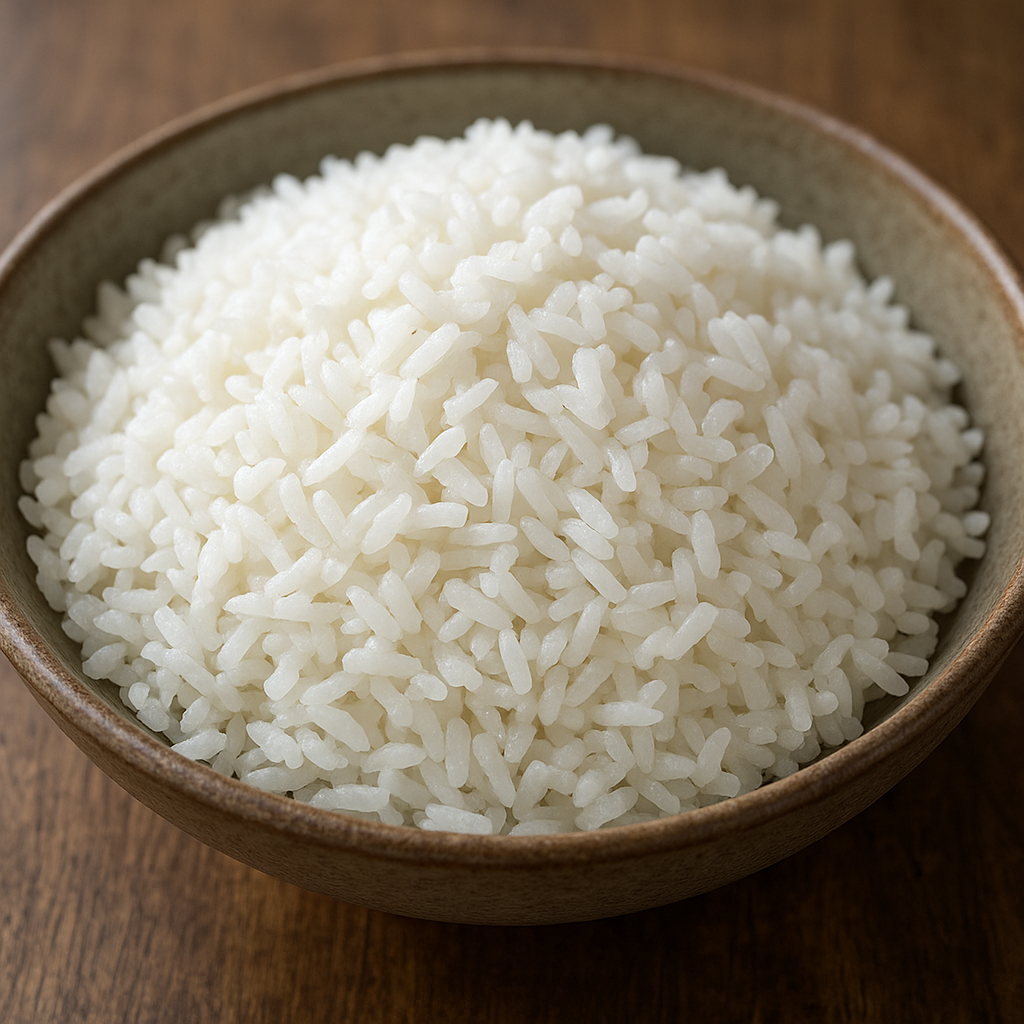
Use a one to one and a quarter ratio of water to grain. Bring it to a rolling boil, drop the heat to the lowest setting, and cover it tight. The trapped steam does the actual work, not the boiling water. Toasting the dry grains in a dry pan for two minutes before adding water brings out the floral notes. It’s a small step that changes everything.
how to cook jasmine rice stovetop
The method is straightforward if you ignore the internet hype. Add your water, bring to a boil, cover, and drop to low. The stovetop approach gives you direct feedback. You can hear the sizzle change from aggressive bubbling to a quiet hiss. That hiss means you’re in the right zone. Trust your ears over the dial.
how long to cook jasmine rice
Timing depends on your burner and altitude, but the sweet spot sits between twelve and fifteen minutes after you lower the heat. Once the timer hits zero, pull the pot off the burner. Do not remove the lid. Let it rest for another ten minutes. This resting phase is where the moisture redistributes, turning wet clumps into fluffy, separate kernels.
how to cook jasmine rice on stove
Repetition of technique matters more than fancy ingredients. The same rinse, boil, cover, simmer, rest cycle works every single time. The only variable is your stove’s actual temperature output. Gas runs hotter than electric coils, so adjust accordingly. I usually drop gas to a two out of ten, and electric to a four.
how long does jasmine rice take to cook
From the moment the water hits a full boil, you’re looking at roughly twelve minutes of active simmering, plus ten minutes of passive resting. That’s twenty two minutes total. It sounds fast, but those two phases are non negotiable. Skipping the rest guarantees a gummy texture, no matter how perfectly you timed the boil.
how long to cook jasmine rice on stove
Again, twelve to fifteen minutes of covered simmering, followed by the mandatory ten minute rest. The total clock time is around twenty two to twenty five minutes. I’ve tracked this across different gas brands and electric ranges. The variance is minimal if you respect the low heat. High heat ruins the starch structure.
jasmine rice how to cook
The search for this phrase usually ends in confusion because of conflicting water ratios online. Ignore the noise. Stick to the standard ratio, rinse thoroughly, and never stir once the water boils. Stirring releases starch into the cooking liquid, which is exactly how you get that sticky, gluey mess nobody wants.
Grain cookery hasn’t evolved in a straight line; it’s swung from ancient open fire pots to modern calibrated burners, but the physics of gelatinisaton remain exactly the same. Respect the moisture, control the temperature, and let the starch bloom.
| Grain Type | Water Ratio | Simmer Time | Rest Time |
|---|---|---|---|
| Jasmine (White) | 1 : 1.25 | 12-15 min | 10 min |
| Basmati | 1 : 1.5 | 15-18 min | 10 min |
| Long Grain Brown | 1 : 2.5 | 40-45 min | 5 min |
- Rinse until the water runs clear to remove excess surface starch.
- Use a heavy bottom pot to prevent scorching and ensure even heat distribution.
- Never lift the lid during the simmering phase; steam loss ruins the texture.
Mastering the stovetop method takes practice, not expensive gear. The real difference between a decent batch and a restaurant quality one is heat management and timing disipline. I still keep a cheap notebook next to the burner to log my results, because every kitchen behaves differently. If you want deeper insights into starch behavior and modern culinary adjustments, check out the culinary science breakdown from local food researchers. It covers the exact hydration points we discussed. Adjust your flame, track your times, and stop fighting the pot. The grains will do exactly what you tell them to.